The Core Advantages of Choosing EVA for Children's Slippers
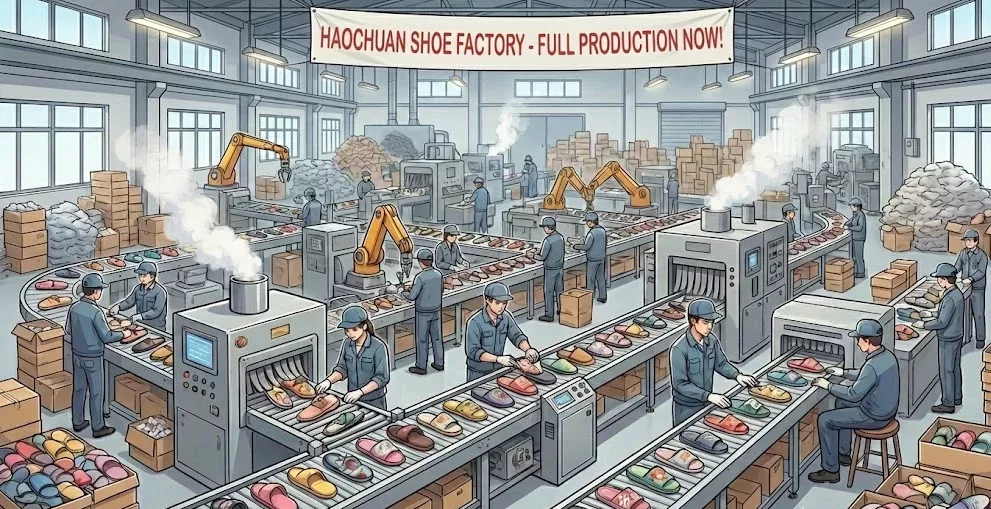
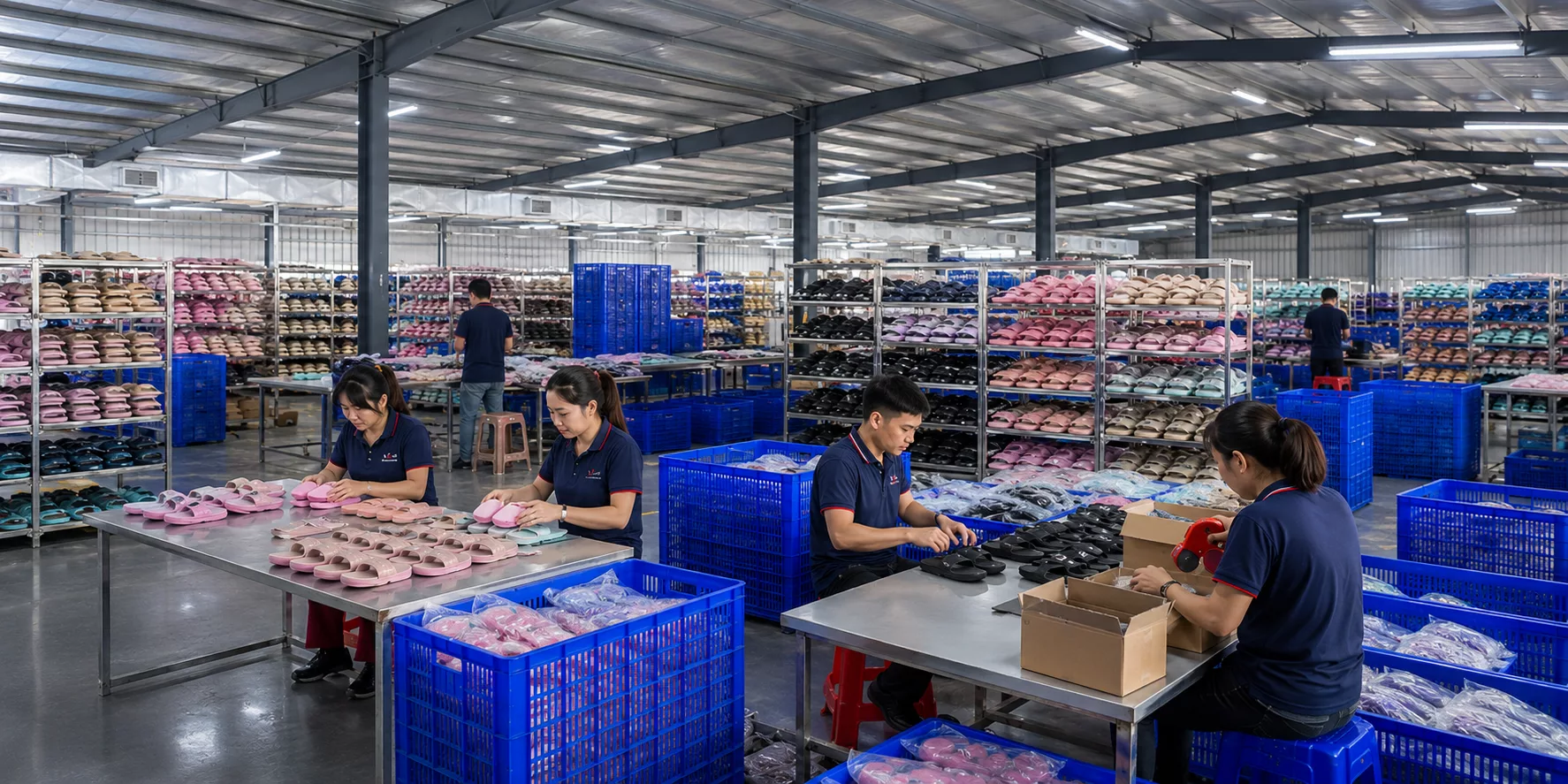
As a manufacturer specializing in children's footwear research and development, Haochuan deeply understands the importance of material selection for children's foot health. EVA (ethylene-vinyl acetate copolymer) is the preferred material for children's slippers due to its unique molecular structure. Its closed-cell foaming properties effectively prevent the absorption of moisture and sweat, eliminating foot odor at its source, while providing excellent cushioning and resilience, making every step feel like walking on clouds. Compared to traditional PVC, EVA does not require phthalate plasticizers, is natural, non-toxic, and environmentally friendly, and will not release harmful substances with long-term wear, reducing the risk of precocious puberty. This material is incredibly lightweight (more than 40% lighter than PVC), reducing the burden on children's feet, making it especially suitable for active children. Its anti-slip performance is outstanding in wet environments, with a coefficient of friction consistently above 0.5 after contact with water, making it the preferred material for children's slippers.
I. Why do professional manufacturers choose EVA?
Health and Safety Guarantee: EVA's closed-cell structure is dense, making it difficult for bacteria or mold to grow. Experimental data shows that its bacterial adhesion is only 1/6 that of cotton slippers, ensuring children's foot hygiene. As the manufacturer, we strictly use virgin EVA foaming technology, avoiding the mixing of recycled materials and ensuring "zero detection" of phthalates and heavy metals. This is not only a compliance requirement but also a responsible attitude towards children's sensitive skin.
Superior Functional Performance: EVA's high resilience (instantly returning to its original shape after being pressed) disperses walking pressure. Laboratory tests show that its cushioning unit can reduce foot pressure by 42%, effectively protecting the developing arch of the foot. We incorporate a dual-density structure (45C forefoot, 55C arch) into the one-piece molding design, balancing softness and support to prevent the risk of flat feet. Furthermore, EVA is corrosion-resistant and anti-aging, maintaining stable performance in environments ranging from -10℃ to 40℃, suitable for all seasons, and extending product lifespan.
Environmental Protection and Economy: EVA material is biodegradable, with a recycling rate of 85%, far exceeding PVC's 5%, aligning with sustainable development principles. From a production perspective, while EVA is more expensive (raw materials are about 30% more expensive than PVC), it reduces after-sales issues, such as avoiding returns due to odors or cracking, and in the long run, enhances brand reputation.
II. Detailed Guide to Choosing Children's Slippers: Manufacturer's Professional Advice
As a manufacturer, we urge parents to pay attention to the following key details when purchasing children's slippers. These standards stem from our practical experience in quality control:
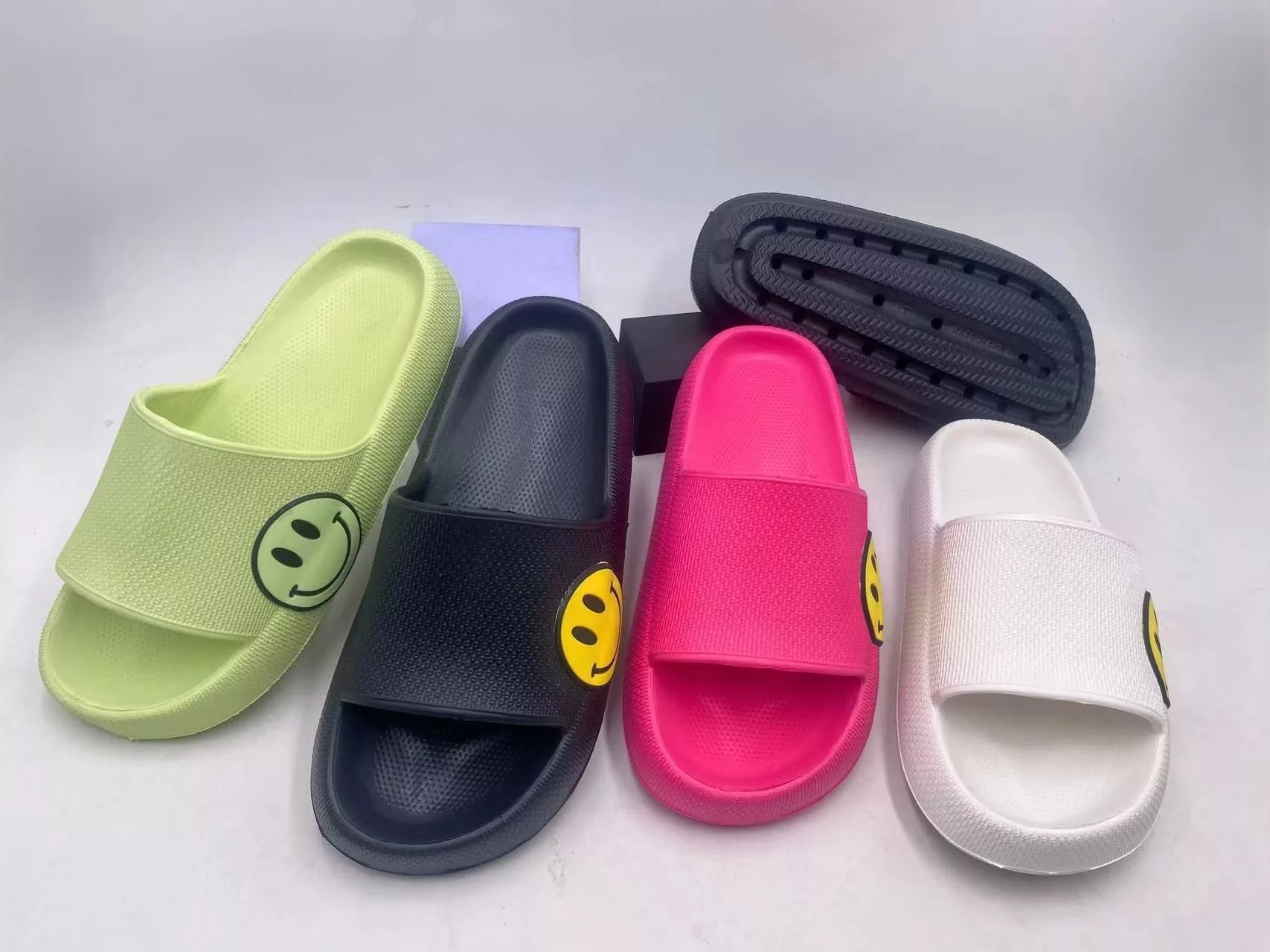
Material Authenticity Verification: Always check the product tag or sole label. Beware of low-price traps. We recommend pressing the sole yourself; genuine EVA rebounds quickly and without collapsing, while counterfeit products are soft and inelastic.
Safety Design Considerations: Prioritize styles with anti-slip treads (tread depth ≥ 1.5mm) on the sole, using a combination of wave and cross grooves, achieving an anti-slip coefficient of 0.78 to prevent slipping in the bathroom. Avoid excessive small decorative accessories (such as beads or rivets) to prevent children from accidentally swallowing them; the toe should be rounded and covered (30° upward design) to protect toes from bumps and bruises. The heel should have a slightly wrapped design to enhance stability and reduce the risk of slipping off.
Comfort and Fit: Have your child try them on and walk in them to observe if their gait is natural. Ideally, there should be a 1cm gap at the heel when the toes touch the front, ensuring no pressure on the toes. Choose a wider last to avoid friction on the little toe, and check that the lining is smooth and seamless to prevent chafing. Regarding odor, qualified EVA has only a faint raw material smell; a pungent plastic smell may indicate excessive harmful substances.
In the children's shoe industry, we are not only manufacturers but also health guardians. By strictly controlling raw materials (such as low-temperature slow-curing foamed EVA) and processes (seamless one-piece molding), we are committed to creating lightweight and durable products. We work with parents to create a safe and comfortable foot environment for children. Remember, a pair of high-quality EVA slippers is the foundation for a child's happy running.