2026 North American Summer Footwear Sourcing Guide
How to Source High-Turnover, High-Profit EVA Slippers Aligned with Market Trends
Prologue | Executive Summary
North American Summer Footwear Sourcing is Entering the Era of "Value Competition"
Introduction
North America remains the world's most commercially valuable footwear consumer market. According to market monitoring data, the total annual consumption in the U.S. footwear market has stably exceeded $120 billion, with annual imports surpassing 2 billion pairs. During the forecast period from 2026 to 2030, total revenue in the U.S. footwear market is expected to climb steadily from $103 billion to approximately $130.95 billion, maintaining a healthy Compound Annual Growth Rate (CAGR) of 4.93%. Within this massive market base, non-luxury and mass-market tiers hold absolute dominance, accounting for up to 92% of the market share, while the per capita annual footwear consumption stabilizes at a high-frequency replacement rate of 5.67 pairs. Guangzhou Haochuan Shoe Industry Co., Ltd. will combine North American market trends, procurement logic, and supply chain practices in the following six chapters to help you understand the new directions for summer footwear sourcing in 2026.
Quick Takeaways
If you don't have time to read the entire article, here are the core takeaways:
- ✅ North American procurement is increasingly focusing on the Total Cost of Ownership (TCO) rather than just the unit price.
- ✅ Product compliance capability has become a crucial competitive advantage for suppliers entering the North American market.
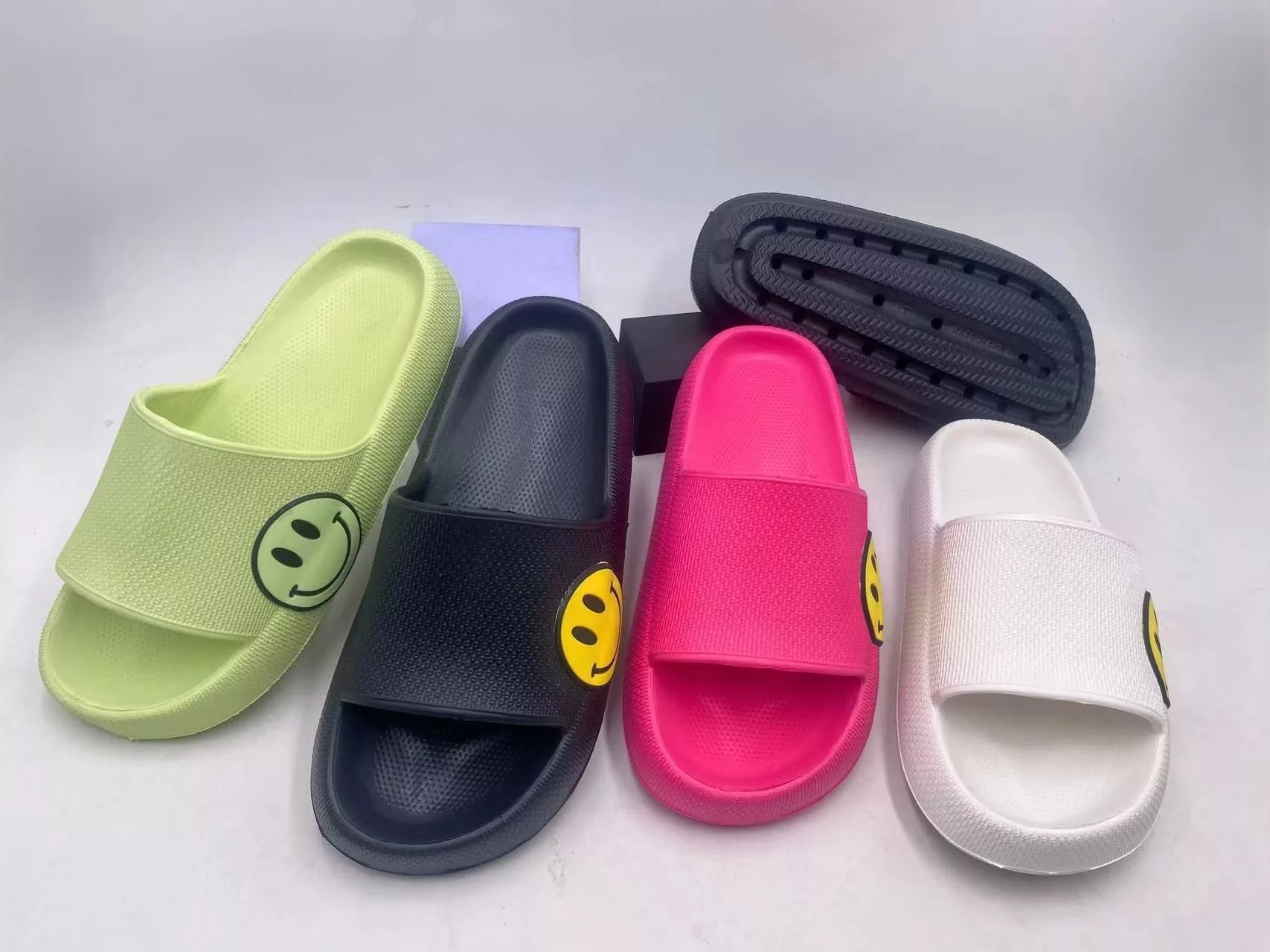
- ✅ One-piece injection-molded EVA slippers are partially replacing traditional flip-flops due to their comfort, slip resistance, and durability.
- ✅ A high inventory turnover rate is often more beneficial for boosting retail profits than a low sourcing price.
- ✅ Suppliers capable of providing R&D, compliance support, and stable delivery are more likely to establish long-term partnerships.
Sourcing Advice: If your target market is North American retail channels, prioritize product quality, compliance capabilities, and supply chain stability over merely comparing procurement prices.
Executive Insight
In 2026, the North American summer footwear market is experiencing a new round of procurement model upgrades. An increasing number of importers, brands, and retail sourcing teams are no longer simply pursuing the lowest purchase price; instead, they are focusing more on whether a product can help the enterprise improve inventory turnover rates, reduce operational risks, and achieve long-term, stable profit growth.
The focus of procurement decisions is gradually shifting from "sourcing cost" to "comprehensive value." Product quality, regulatory compliance, supply chain stability, consumer experience, and replenishment efficiency have become critical factors influencing purchasing decisions.
More and more procurement teams no longer use "product price" as the sole criterion, but instead focus on whether the product can:
● Increase inventory turnover rates
● Reduce return rates
● Meet U.S. regulatory requirements
● Cover more consumer scenarios
● Maintain long-term stable profits
Meanwhile, one-piece injection-molded EVA slippers are gradually becoming a key product category in the North American summer footwear market due to their comfort, durability, waterproof and slip-resistant performance, and multi-scenario applicability, drawing increasing attention from various retail channels.
Market Insight: Why is this shift worth noting?
In the past, many suppliers believed that price competition was the key to securing orders, leading them to continuously squeeze profit margins in hopes of winning clients with low quotes.
However, as retail market competition intensifies, procurement managers have realized that what truly affects an enterprise's bottom line is not the initial sourcing price, but the comprehensive costs generated throughout the product's entire sales cycle.
For example, a product with a slightly higher purchase price but stable quality, a low return rate, and fast replenishment speed can often help companies achieve better sales performance and healthier cash flow.
Therefore, more sourcing teams are adopting a Total Cost of Ownership (TCO) mindset to evaluate suppliers, rather than simply comparing quotes.
Simultaneously, the U.S. and Canadian markets are continuously raising their standards for product safety, environmental protection, and quality. Whether a product complies with relevant regulations and whether it can provide complete testing and certification documents have become crucial conditions that cannot be ignored in the procurement process.
For suppliers, this means that market competition has gradually shifted from price-based to comprehensive service capabilities.
In the 2026 business environment, providing tailored value to different buyers, precisely empowering various channels, and delivering lean solutions are key to capturing the market:
| Core North American Retail Channels | Pain Points & Commercial Demands | Customized Supply Chain Solutions |
|---|---|---|
| Large Retail Chains (e.g., Walmart, Target) |
Extremely high requirements for product compliance and quality stability; non-compliance leads to massive fines and network-wide delisting. | Mandatory Compliance & Toxicological Tracking: Must provide non-toxic risk test reports passing CPSIA and CA Prop 65; ensure the entire production line is free of phthalates and illegal PFAS additives. |
| Coastal Boutiques | Basic styles are bogged down in price wars; urgently need high-margin, visually trending products with social media appeal. | Agile Customization & High-Premium Design: Targeted push of Morandi and high-contrast colorways for trendy thick-soled styles, supporting Agile MOQ (Minimum Order Quantity) to maximize profit pools. |
| Resorts & Spas | Traditional single-use thin-soled slippers offer a poor experience and severely contradict current ESG (Environmental, Social, and Governance) trends. | Eco-friendly & Brand Co-creation (ODM): Provide high-end slippers supporting customized brand logos, made from ecologically compliant Bio-based recyclable materials. |
| Gas Stations & Convenience Stores (C-Stores) | High proportion of impulse buys; require extremely durable, cost-effective, and "odor-resistant" fast-moving consumer basic styles. | Application of Polymer Antimicrobial Materials: Utilize modified EVA materials with a closed-cell foam structure, offering 100% waterproof, quick-dry properties along with inherent physical antibacterial and anti-odor features. |
Five Major Sourcing Trends in the North American Market in 2026 (Analysis)
Combining the development directions of the North American retail market in recent years, several clear trends emerge:
1. Sourcing Focus Shifts from "Low Price" to "High Value"
Increasingly, procurement teams are focusing on whether a product can help reduce return rates, improve inventory turnover, and maintain stable profits, rather than just comparing purchase prices.
2. Product Compliance Becomes a Critical Market Entry Barrier
The U.S. and Canadian markets continue to elevate requirements for product safety, eco-friendliness, and material compliance. Buyers are more inclined to select suppliers who can provide complete test reports and meet target market regulatory requirements to mitigate market entry risks.
3. Sustained Growth in Demand for Comfort Footwear
As consumers pay more attention to everyday wear experiences, comfortable, lightweight, slip-resistant, and durable products are becoming increasingly popular. One-piece injection-molded EVA slippers, owing to their excellent wearing experience and durability, are becoming an essential choice across multiple retail channels.
4. High Inventory Turnover Trumps High Inventory Volume
For retailers, rapid sales and quick replenishment are far more effective in boosting capital utilization efficiency than massive stockpiling. Products that cover multiple consumption scenarios and are suitable for long-term sales are more likely to generate sustained and stable sales performance.
5. The Evolving Role of Suppliers
Buyers increasingly expect suppliers not only to provide products but also to offer market trend analysis, product development support, brand customization, and stable supply chain services. Long-term collaborative capability is gradually becoming a critical factor in procurement decisions.
Buying Recommendations
If you are planning your summer footwear sourcing for 2026, prioritize the following aspects:
● Do not evaluate suppliers based solely on purchase price; comprehensively consider product quality, inventory turnover rates, and long-term operating costs.
● Prioritize products that comply with target market regulations and can provide complete testing reports.
● Select products applicable to multiple consumer scenarios to help reduce SKU counts and improve inventory management efficiency.
● Establishing long-term, stable supply chain partnerships is more beneficial to business development than frequently switching to low-price suppliers.
● During the procurement process, focus equally on product competitiveness and the supplier's continuous R&D capabilities to leave room for future market shifts.
Chapter Summary (Key Takeaways)
In the 2026 North American summer footwear market, the logic of procurement has fundamentally changed.
More sourcing teams are transitioning from "purchase price" to "purchase value," paying closer attention to inventory turnover, product compliance, consumer experience, and supply chain stability.
For suppliers, relying solely on price competition makes it difficult to establish long-term advantages. In the future, the most competitive enterprises will be those capable of consistently providing high-quality products, stable delivery capabilities, and product development support as long-term partners.
Frequently Asked Questions (FAQ)
Q1: Is price the most important factor when sourcing summer slippers?
While the purchase price is certainly important, it is not the only factor. Mature procurement teams typically evaluate product quality, inventory turnover, shipping costs, after-sales costs, product compliance, and the supplier's delivery capability comprehensively, making decisions from a holistic business perspective.
Q2: What is Total Cost of Ownership (TCO)?
Total Cost of Ownership (TCO) refers to the comprehensive costs incurred throughout a product's sourcing and sales lifecycle, including procurement, freight, warehousing, after-sales service, returns, compliance, and inventory management fees. Compared to merely looking at the purchase price, TCO provides a much more accurate reflection of the true operational cost of a product.
Q3: Why is product compliance becoming increasingly important?
Different countries and regions are continuously updating their requirements for product safety, environmental impact, and materials. Proactively ensuring that products meet target market requirements and preparing the relevant testing documents helps mitigate market entry risks and improves sourcing efficiency.
Next Chapter Teaser:
Chapter 2: Why is the purchase price no longer the sole criterion? — From "Lowest Quote" to "Total Cost of Ownership (TCO)," decoding the real decision-making logic of North American procurement managers.
For mature North American retail enterprises, the purchase price is only one part of the supply chain cost.
What truly determines a product's profitability is the comprehensive cost generated across its entire lifecycle—from sourcing, shipping, and sales to after-sales—which is the Total Cost of Ownership (TCO).
Therefore, a product with a slightly higher sourcing price but stable quality, a low return rate, and high replenishment efficiency often holds more long-term commercial value than a low-priced product.