Slipper Procurement Analysis: Procurement Strategies for OEM, ODM, and Spot Inventory
In the slipper wholesale and customization industry, "MOQ" (Minimum Order Quantity) is a core issue that every B2B buyer must address. Whether you are a cross-border e-commerce brand looking for an OEM factory, a wholesaler customizing differentiated products through ODM, or an importer looking to quickly test the market with existing inventory, understanding the underlying logic of MOQ will directly impact procurement costs and inventory risks.
I. Strategic Positioning of Three Major Procurement Models
1. Ready-to-Ship Model
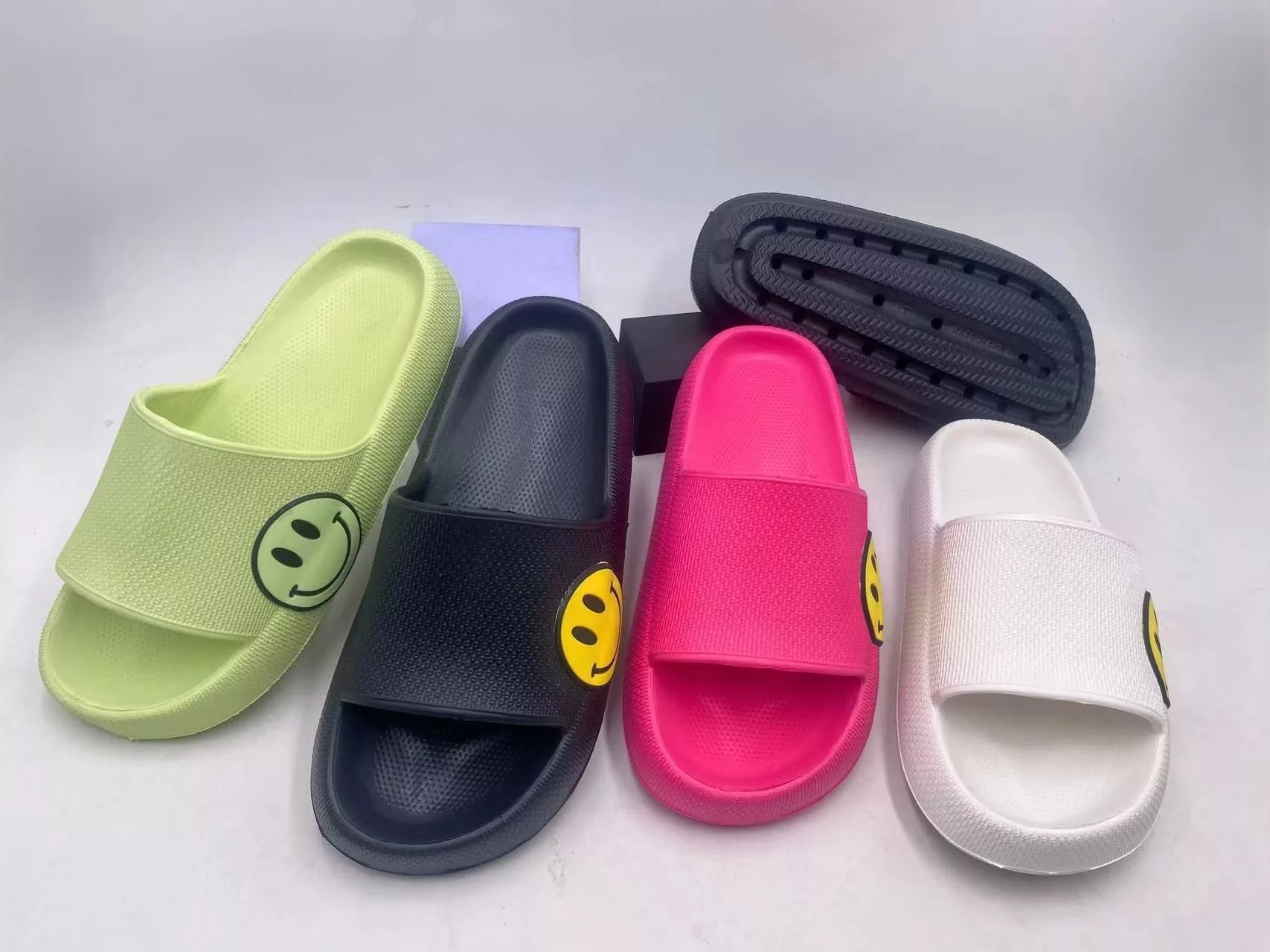
—The first choice for "agile market entry." Suitable for D2C sellers who want to quickly enter a blue ocean market. Utilizes existing mature styles from factories, focusing on traffic conversion rather than product development.
Core Advantages: Rapid replenishment, extremely low trial-and-error costs.
Expert Advice: Recommended for startups to use this model for A/B testing to select the colors and sizes that receive the best market feedback.
2. ODM Model (Original Design Manufacturing)
—The balance point of "brand premium." Integrates a brand visual system into existing mature shoe styles (Such as Garden Clogs Shoes and kids slippers).
Core Advantages: Products with strong brand recognition can be obtained without incurring high mold costs.
Customization Focus: Pantone color customization, optimized anti-slip sole texture, and more premium environmentally friendly packaging.
3. OEM Model (Original Equipment Manufacturing)
—Building a "Moat": Starting from scratch with R&D, suitable for professional brands with extreme requirements for foot feel, patented structure, or materials science (such as functional sports repair and luxury lines).
Core Advantages: 100% exclusive design, establishing unreplicable product patents.
Strategic Applications: Suitable for enterprise buyers with an existing stable customer base seeking to build long-term technological barriers.
II. Global Market Trend Insights: What Are Customers Buying?
To stand out on Amazon or in brick-and-mortar retail, your sourcing decisions should align with the following international trends:
Sustainability (ESG): Global buyers are increasingly focused on GRS (Global Recycling Standard) and REACH environmental certifications. Offering phthalate-free, recyclable, and environmentally friendly materials (such as biodegradable EVA) is a passport to the European and American markets.
Functional Upgrades: The "wellness" concept is gaining popularity. Slippers with arch support, antibacterial treatment, or a 4.0cm+ ultra-resilient thickness are gradually replacing low-end, affordable models.
Digital Transparency: We support 3D digital design previews, allowing you to confirm the effect online before sample production, reducing communication costs by 60% and accelerating your product launch cycle.
III. Action Recommendations for Buyers at Different Stages
Startup Stage: Begin with an in-stock model, starting with 120 pairs to quickly validate the market.
Growth Stage: Identify blockbuster products and enhance brand differentiation through exclusive color schemes using an ODM model.
Maturity Stage: Sign long-term OEM agreements to protect intellectual property, reduce unit costs through large-scale production, and secure supply chain stability.
Looking for a supply chain partner to help you expand overseas?
We offer more than just products; we provide end-to-end procurement solutions. Whether you need a trial order of 120 pairs or a globally unified sourcing of 10,000 pairs, our expert team can provide you with technical evaluation and quotations.
[Contact our procurement experts now for customized solutions]