The Ultimate Custom Slippers Sourcing Guide: How International Buyers Evaluate Chinese OEM/ODM Factories
Whether you are sourcing hospitality slippers for a global hotel group, developing private-label footwear for a retail chain, or launching a DTC slipper brand, evaluating a Chinese custom slipper manufacturer goes far beyond looking for the "lowest price."
Successful international procurement depends on whether the factory's Minimum Order Quantity (MOQ) aligns with your business stage, if their pricing is transparent, whether their materials match your use case, and their ability to deliver reliably during peak seasons. This guide provides actionable criteria to help you evaluate Chinese OEM/ODM slipper factories, minimize trial-order risks, and transition smoothly from design concept to mass production.
Who should read this article?
• Hotels, retailers, gift companies, and brands looking for custom slipper suppliers in China.
• Growing sourcing teams needing small trial orders but potentially scaling up rapidly.
• Cross-border sourcing managers looking to compare OEM/ODM services, sampling, packaging, export documentation, and quality control capabilities.
I.Define Your "Tech Pack" Before Asking for Quotes
Before requesting a quote, consolidate your requirements into a clear sourcing brief. This helps the factory determine feasibility regarding materials, techniques, and lead times, resulting in a highly accurate total cost estimate.
-
Use Cases: Hotel/hospitality, indoor lounging, outdoor/beach, retail display, or promotional gifts.
-
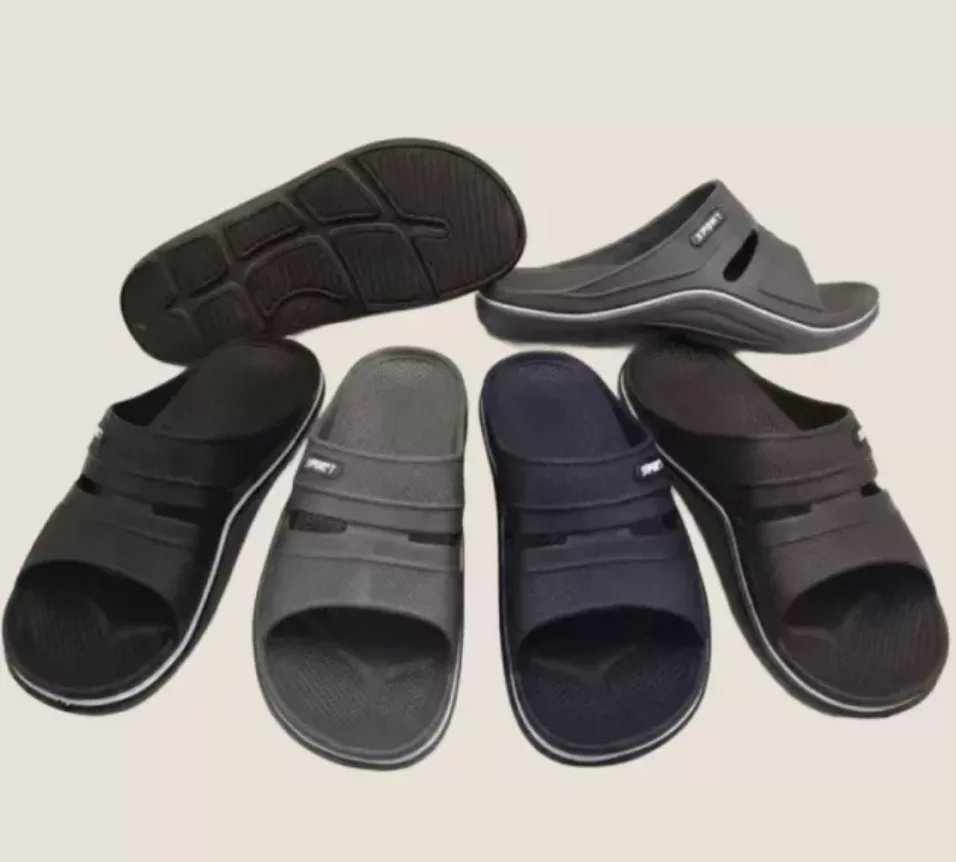
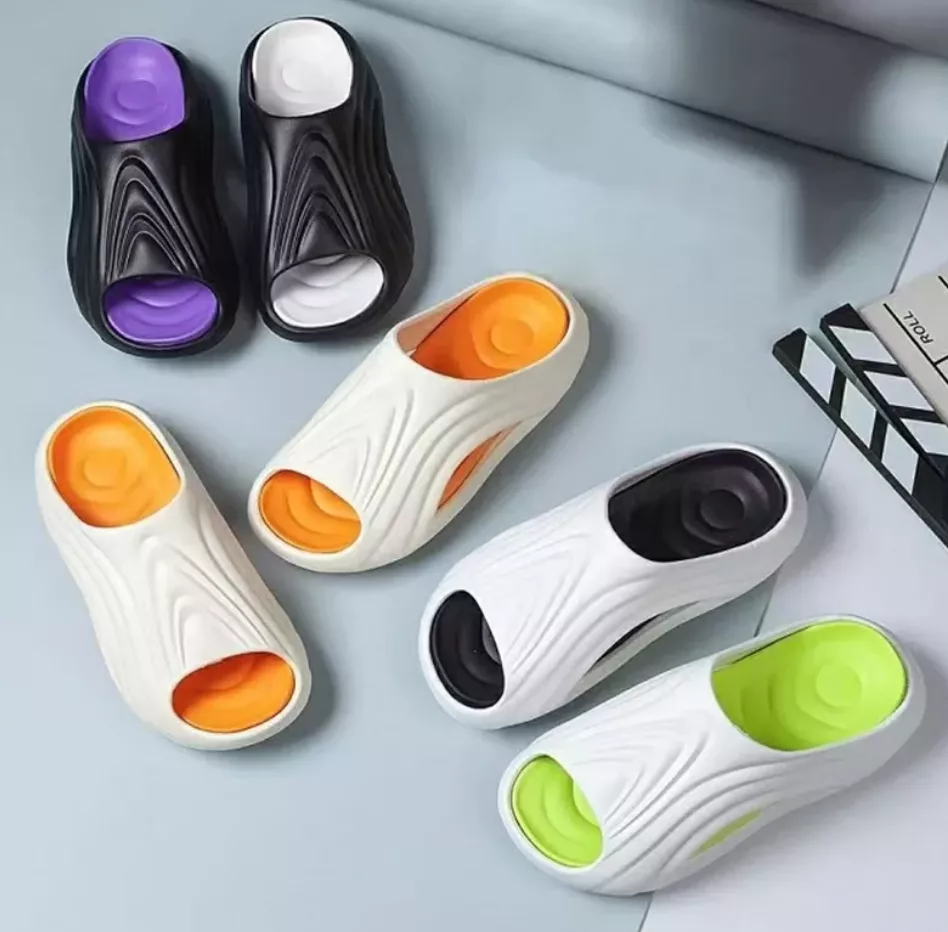
Product Structure: Open-toe/closed-toe, disposable/durable, molded EVA/TPR, memory foam, or creative 3D shapes.
-
Customization Depth: Upper logo (embroidery/silkscreen/embossing), custom outsole textures, Pantone color matching, and bespoke hangtags.
-
Target Markets: US, EU, Middle East, or Australia (each has different compliance, eco-testing, and labeling standards).
-
Order Lifecycle: Initial trial quantity, expected reorder frequency, and preferred Incoterms (e.g., EXW, FOB, DDP).
II.Evaluate MOQ: Look for "Agility" and "Scalability"
A low Minimum Order Quantity mitigates inventory risk for new brands, but if a factory lacks scalable capacity, you may face severe delays or color inconsistencies when orders surge.
-
Trial Order Support: Confirm if they support flexible MOQs (e.g., 500 or 1,000 pairs) and mixed batches for different colors/sizes.
-
Production Stability: When an order scales from 500 to 50,000 pairs, ensure that their quality standards, QA processes, and lead times remain consistent.
-
Peak Season Capacity: Inquire about their monthly output and schedule management during traditional holidays and peak sourcing seasons.
III.Avoid Hidden Costs: Demand a "Transparent Cost Breakdown"
Many procurement disputes arise from incomplete initial quotes. A professional supplier provides a clear cost boundary. Ask your manufacturer to break down their quote using the following matrix:
|
Cost Category |
What to Confirm |
Procurement Note |
|
Tiered Unit Price |
Prices based on volume (e.g., 500 / 5,000 / 10,000 pairs) |
Beware of artificially low initial quotes that spike on reorders. |
|
Tooling & Sampling |
Mold fees, sample making, and logo processing costs |
Ask if tooling/mold fees are refundable after reaching a certain bulk order volume. |
|
Packaging |
PE bags, custom color boxes, hangtags, inner/outer cartons |
Overweight or non-standard packaging significantly impacts ocean freight costs. |
|
Logistics & Trade |
Inland freight, port charges, or ocean freight based on Incoterms |
Clarify the exact responsibilities between EXW and FOB terms to avoid customs disputes. |
IV. OEM/ODM Customization Capabilities: Customization Isn't Just About Printing a Logo
The core of customized slippers isn't simply putting a logo on, but rather unifying the target user, usage scenario, foot feel, materials, packaging, and brand visual identity. High-quality OEM/ODM factories typically provide comprehensive support from concept communication, material suggestions, structural adjustments, sample development to mass production.
• Hotel Room Slippers: Focus on comfort, quietness, slip resistance, disposable or reusable attributes, neat packaging, and cost control.
• Retail Slippers: Focus on appearance differentiation, size coverage, display packaging, barcodes, hang tags, material specifications, and after-sales return and exchange risks.
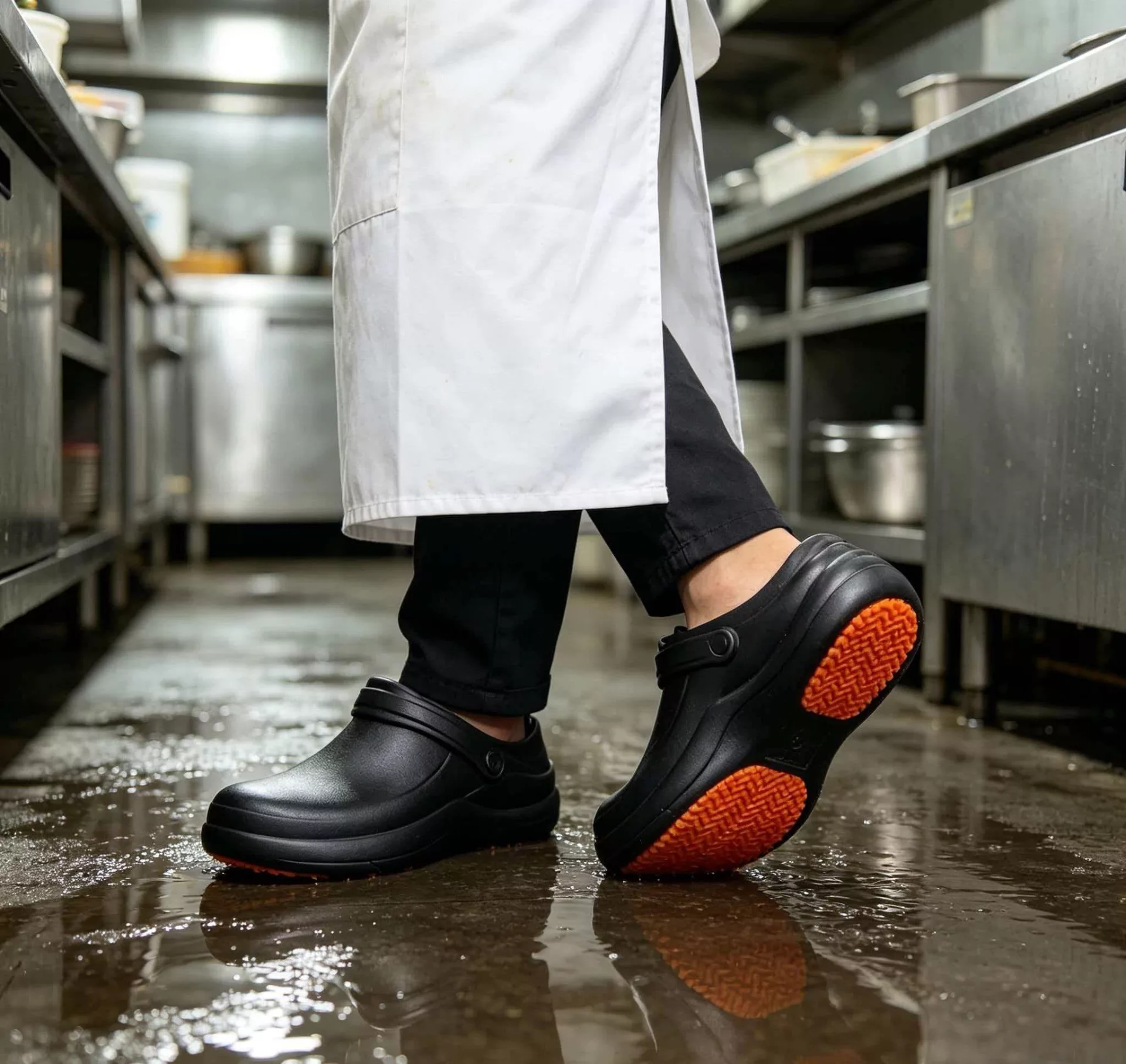
• Outdoor or Bathroom Slippers: Focus on waterproofing, slip resistance, durable soles, material resilience, and odor control.
• Branded Merchandise or Gift Slippers: Focus on visual identity, color consistency, design stability, and delivery time.
If you only have initial ideas, you can request the factory to provide material samples, similar cases, process suggestions, and sample modification plans. If you already have a complete design, you need to confirm whether the factory can execute according to the drawings, Pantone color codes, size charts, and packaging documents.
V. Quality Control: Incorporate Inspection Before and During Production
For cross-border sourcing, discovering size discrepancies, glue cracking, significant color differences, or packaging errors only after a batch of slippers arrives at the port often results in rework costs far exceeding the cost of the product itself. Therefore, quality control cannot rely solely on taking a few photos before shipment; it must be integrated into the entire production process.
It is recommended to confirm at least three inspection points:
1. Raw Material Inspection: Upon arrival at the factory, confirm the color, odor, thickness, weight, and safety standards of the fabric, EVA/TPR soles, glue, accessories, and packaging materials.
2. Manufacturing Process Inspection: Conduct segmented random inspections during cutting, sewing, shaping, gluing, sole pressing, printing, or embroidery stages. Address any issues promptly to avoid rework of the entire batch.
3. Final Inspection Before Shipment: Check size accuracy, left/right shoe matching, logo placement, stitch density, adhesive strength, sole slip resistance, packaging quantity, outer carton markings, and container loading information.
A more professional approach is to request the supplier to provide a QC checklist, AQL sampling standards, finished product photos, packaging photos, and container loading photos. For high-value orders, third-party inspection can also be arranged.
VI. Compliance and Delivery: Confirm Target Market Requirements in Advance
Different markets have different requirements for product labeling, material safety, environmentally friendly packaging, and corporate social responsibility. Suppliers should confirm what documents they can provide before procurement, rather than supplementing materials after the goods are ready for export.
• Common Documents: Commercial invoice, packing list, bill of lading, certificate of origin, material specifications, test reports, outer carton markings.
• Compliance Documents: Environmental material specifications, social responsibility audits, and testing or certification documents applicable to the target market. Specific requirements should be based on the regulations of the importing country and the customer's platform rules.
• Delivery Management: Confirm sampling time, bulk order cycle, inspection time, booking time, departure time, and estimated arrival time at the warehouse.
For hotel groups, chain retailers, and seasonal sales projects, delivery delays can directly impact guest experience, in-store stocking, and promotional timing. Therefore, a supplier's ability to clearly articulate their delivery plan is a crucial indicator of their professionalism.
VII. 10 Questions for Suppliers Before Inquiry
1. My target quantity is [ ] pairs. Do you support this MOQ? Can I order multiple colors or sizes in mixed batches?
2. If the initial order goes well, what are the lead time and unit price for a repeat order of [ ] pairs?
3. Does the quotation include sampling, logo, packaging, export documents, and inland transportation? What costs are not included?
4. How long does it take to get a sample? What is the production cycle after sample confirmation?
5. What materials do you offer? What are the differences in comfort, slip resistance, and cost between different materials?
6. What processes can be used for the logo? What are the differences in minimum order quantity and effect between embroidery, printing, embossing, and heat transfer printing?
7. How do you inspect goods before shipment? Do you have experience with QC Checklists, AQL standards, or third-party inspections?
8. Can you provide material specifications, test reports, or compliance documents required by the target market? 9. To what extent can packaging be customized? Do you support barcodes, hang tags, color boxes, instruction manuals, and outer carton markings?
10. What is the after-sales process in case of delays, color differences, packaging errors, or quality issues?
VIII. Frequently Asked Questions (FAQ)
Q1: What is the minimum order quantity (MOQ) for customized slippers?
MOQ varies significantly depending on the materials and processes. Regular hotel slippers and basic styles may be more suitable for low MOQ testing, while special materials, complex designs, or multi-color customizations usually increase the MOQ. When inquiring about prices, you should confirm whether the MOQ is calculated separately for each style, color, and size.
Q2: What is the difference between OEM and ODM?
OEM is more suitable for brands that already have design drawings, size charts, and packaging documents; ODM is more suitable for buyers who only have initial ideas and need the factory's assistance in providing material suggestions, structural design, sampling, and packaging implementation.
Q3: How can I determine if a slipper factory is suitable for long-term cooperation? Besides price, consider communication efficiency, pricing transparency, sampling accuracy, production schedule, QC records, compliance documents, return order speed, and problem-solving attitude. Long-term cooperation hinges on stability, not just a low initial price.
Q4: How to reduce the risk of initial procurement?
It's recommended to start with core styles and small-batch trial orders to confirm materials, sizes, feel, packaging, and user feedback before gradually increasing orders. Before placing an order, include sample confirmation standards, packaging methods, inspection requirements, and delivery time in the procurement documents.
Q5: What information should be provided to the factory for custom slippers?
It's recommended to provide the intended use, order quantity, size range, reference images, logo file, color requirements, packaging requirements, target market, delivery date, and trade terms. If there's a budget range, specify it in advance so the factory can recommend more suitable materials and processes.
Haochuan Shoes: Your Reliable Sourcing Partner in China
If you are looking to source directly from a capable Chinese manufacturer, Guangzhou Haochuan Shoes Co., Ltd. is your ideal partner. Having served clients across North America, Europe, and Oceania, we provide closed-loop OEM/ODM manufacturing solutions:
-
Agile Start: Flexible trial orders starting at MOQ 500 to test your market safely.
-
End-to-End Fulfillment: Our in-house team handles 3D design, private molding, sampling, mass production, strict QC, and ocean freight booking.
-
Factory-Direct Transparency: Zero middleman markups, ensuring highly competitive pricing and protected profit margins.
Contact the Haochuan procurement team today to discuss your project and get a free quote!